
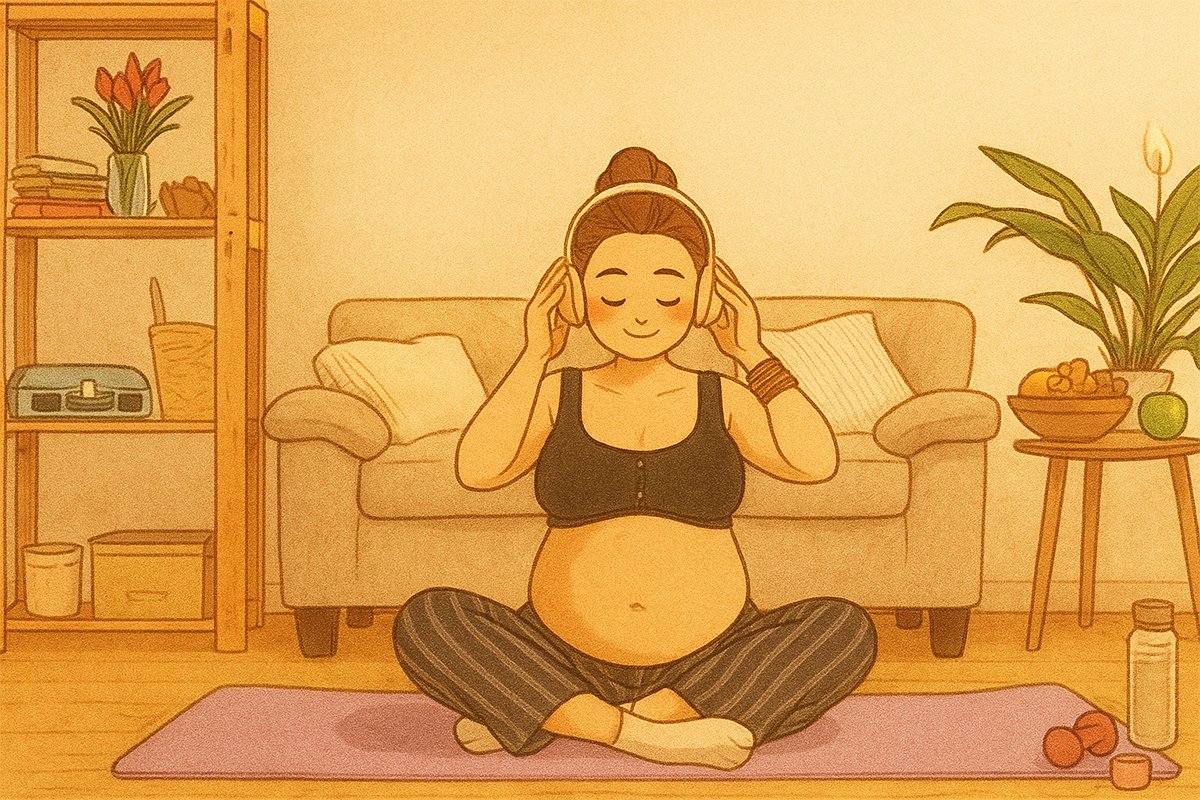
Soothing Sounds. Calm Emotions. Stronger Connection.
At Dr. Nimesh Ayurveda, we understand that music can deeply influence both the mother and the unborn child during pregnancy. Our Music Therapy for Pregnancy sessions combine classical melodies, mantras, and natural sounds to create a peaceful and nurturing environment that supports emotional balance and healthy development for the baby.
The Role of Music During Pregnancy
Ayurveda recognizes the importance of emotional well-being for a healthy pregnancy. Music helps maintain this balance by calming the mind, improving mood, and creating a positive space for the baby’s growth. Gentle melodies, spiritual chants, and natural sounds not only relax the mother but also help the baby respond to rhythm and vibration, forming an early sense of connection and comfort.
1. Music as a Mood Enhancer
Pregnancy often brings emotional changes and moments of stress. Listening to soft and soothing music can help reduce anxiety and bring a sense of calm. Pleasant sounds encourage the release of natural “feel-good” hormones like endorphins and dopamine, which lift mood and promote relaxation. A mother’s calmness directly benefits the baby, helping create a peaceful atmosphere inside the womb.
2. Cognitive Stimulation for the Baby
Studies and Ayurvedic understanding suggest that sound influences a baby’s development even before birth. Gentle, rhythmic music stimulates the baby’s brain and supports memory, emotional balance, and sensory growth. Repeated exposure to familiar tunes can also help the baby recognize sounds after birth, creating a comforting sense of familiarity.
3. Enhancing Auditory and Emotional Development
By the second trimester, the baby begins to respond to sounds. Listening to pleasant, consistent music strengthens auditory pathways and enhances emotional awareness. The baby learns to identify patterns and rhythm, helping build early sensory coordination and emotional recognition. For the mother, these sessions improve concentration and reduce fatigue.
4. The Power of Mantras, Prayers, and Classical Music
Ayurvedic texts emphasize the positive vibrations of sacred sounds. Chanting mantras or listening to classical ragas such as “Yaman,” “Bhairavi,” or “Shivaranjani” creates soothing vibrations that calm the nervous system and uplift the spirit. These sounds help purify emotions and promote harmony in both mother and child. Regular listening encourages mindfulness, peace, and gentle bonding through shared rhythm and energy.
5. Practical Ways to Include Music in Your Routine
- Begin or end your day with 10–15 minutes of calming instrumental or classical music.
- Play soft background music while resting or during gentle yoga and meditation.
- Listen to devotional or mantra-based tracks to bring focus and calmness.
- Hum or sing softly to your baby — the vibration of your voice strengthens emotional connection.
- Use headphones sparingly and keep the volume low to maintain a soothing sound environment.
Benefits of Music During Pregnancy
- Reduces stress, anxiety, and mood swings.
- Improves sleep and promotes relaxation.
- Supports baby’s brain and sensory development.
- Encourages emotional connection between mother and baby.
- Creates a calm and peaceful home atmosphere.
- Enhances focus and mental clarity for the mother.
Frequently Asked Questions
What kind of music is best during pregnancy?
Soft classical, instrumental, or devotional music is ideal. Avoid loud, high-pitched, or fast-paced music that may cause restlessness or irritation.
How long should I listen each day?
Even 15–20 minutes of soothing music daily can bring noticeable calmness and improve emotional balance.
Can I combine music therapy with meditation or yoga?
Yes. Playing gentle background music during meditation, Garbhsamwad, or prenatal yoga enhances relaxation and focus, making the experience more peaceful for both mother and baby.
When can I start music therapy?
You can begin at any time during pregnancy. Starting early helps build familiarity for the baby, but even later stages benefit from calming sound exposure.